A key part of my route into veterinary medicine is getting as much breadth of experience as I can.
Not just different species, but different settings, teams and ways of working. Every practice has its own rhythm: how people communicate, how they prepare, how they manage risk, and how they look after animals before, during and after procedures.
Recently, I spent one of my days off from my Animal Care Assistant role at Redditch Vets4Pets observing surgery at Solihull Vets4Pets. I had contacted Josh, one of the co-owners, to ask whether I could come in and observe their surgical list. He kindly agreed.
During the morning, I observed:
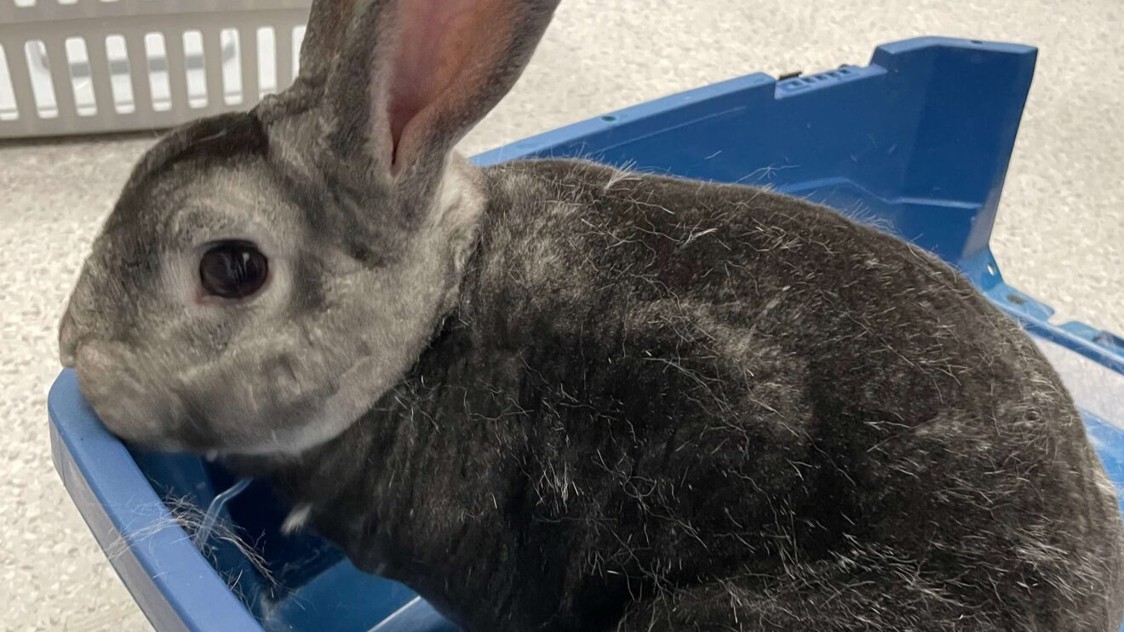
- Two rabbit spays
- One BOAS procedure on a bulldog
No patient details are included here, and this post is a personal reflection on what I observed and learned, not clinical advice.
Why I wanted to observe rabbit surgery
I was especially interested in the rabbit spays.
Rabbits are a personal interest of mine, but they also feel like an important species to understand better. They are common companion animals, yet they can sometimes receive less routine medical attention than dogs and cats.
They are also physiologically different in ways that matter. Anaesthesia, stress, pain relief, gut health, handling and recovery all need careful thought. Watching a team manage those details in real time gave me a much better sense of how much planning sits behind what can look, from the outside, like a straightforward procedure.
What stood out
1) Surgery starts long before the first incision
One of the biggest lessons was how much of the work happens before surgery begins.
There were checks, preparation, positioning, monitoring, medication planning, equipment decisions and team communication. It made me realise that a good surgical outcome is not just about the skill of the surgeon. It is also about the systems around the patient.
That includes:
- Preparing the theatre and equipment
- Checking monitoring kit
- Thinking carefully about anaesthesia and pain relief
- Positioning the patient safely
- Keeping the team clear on what is happening next
The more I observe, the more I see veterinary work as a mix of science, craft and process. The details matter because the animal cannot tell you what has been missed.
2) Anaesthesia is its own world
I found the anaesthetic side fascinating.
I saw how the team used pre-medication, anaesthetic agents, monitoring and pain relief as part of a wider plan to keep each patient stable and comfortable. I noted names such as Metacam and Alfaxan in my learning notes, but I’m treating these as prompts for further study rather than trying to explain protocols before I fully understand them.
There were several things I noticed and wrote down to learn more about afterwards: pre-medication, airway support, monitoring, local anaesthetic, reversal agents and how the team minimised unnecessary strain on the patient’s neck and airway.
That in itself is a useful lesson: observing is one thing, understanding accurately is another.
3) Small adaptations can make a big difference
One practical detail that stuck with me was how equipment was positioned to reduce strain on the patient. The team used a simple setup to help support the airway tubing and reduce unnecessary pull or tension.
That kind of thing interests me because it sits at the intersection of welfare and pragmatism. Not every improvement is dramatic. Some are small, practical decisions that make the patient more comfortable or the procedure safer.
I also noticed the use of reusable metal instrument boxes for the autoclave. Again, small detail, but it made me think about how veterinary practices balance sterility, efficiency, sustainability and cost.
4) BOAS surgery brought home the welfare side
The BOAS procedure was a different kind of learning experience.
Brachycephalic dogs can face significant airway challenges because of how they have been bred. Watching surgery aimed at improving breathing made the welfare implications feel much more real.
It is one thing to read about inherited health problems in brachycephalic breeds. It is another to watch a team working carefully to reduce suffering caused by those problems.
That raised bigger questions for me about the veterinary profession’s role in welfare, breeding, owner education and prevention. Surgery can help an individual animal, but it also points towards a wider ethical issue.
A question I left with
One question I kept thinking about was the ethical side of pre-medication and restraint.
If an animal is sedated but still conscious for a short period, how do we assess stress? How do teams minimise the time between pre-medication and full anaesthesia? What protocols are in place to make that period as calm and brief as possible?
I do not have the answer yet, but it is exactly the kind of question I want to keep asking. Veterinary medicine is not just about whether something works. It is also about how it feels for the animal, what risks are acceptable, and how welfare is protected in practice.
How it made me feel
This was one of those experiences that made the path feel more real.
I found myself fascinated by the procedures, the suturing, the teamwork, the monitoring and the many small decisions that build towards an outcome. There was also something personally meaningful about seeing surgery used to relieve suffering. Having had surgeries myself, I know how much trust you place in a team when you are vulnerable.
Animals do not get to understand what is happening to them in the same way. That makes the responsibility feel even greater.
Rather than putting me off, observing surgery made me more interested. It gave me a clearer sense that this is the kind of learning I want to keep moving towards.
How I can apply this in my day-to-day role
In my Animal Care Assistant role, I am not performing surgery, but there are still lessons I can carry into my work:
- Pay attention to preparation, not just the task itself
- Keep handling calm, deliberate and low-stress
- Notice small welfare details, especially positioning, warmth and comfort
- Ask questions when I do not understand something
- Record what I observe, then check it properly afterwards
- Respect the fact that routine procedures are only routine because skilled people make them safe
The main takeaway for me is that good care is often built from ordinary actions done consistently well.
What I want to do next
There are a few things I want to follow up from this experience:
- Learn more about rabbit anaesthesia and post-operative care
- Understand BOAS from both a surgical and welfare perspective
- Fact-check my notes on the medications and monitoring equipment I observed
- Ask more questions about how practices assess and reduce stress before anaesthesia
- Observe a wider range of procedures across different species and settings
I came away from the morning with more questions than answers, which feels like a good sign.
That, I am learning, is often where the useful bit starts.
[/cmsmasters_text][/cmsmasters_column][/cmsmasters_row]
Leave a Reply