
Some details have been kept general to protect the confidentiality of the patient and owner.
A male cat was booked in as an emergency after he had been repeatedly straining to urinate for several days.
The vet examining him, who was also the practice owner, identified a suspected urethral obstruction. Repeated visits to the litter tray, straining, vocalising and producing very little or no urine are important warning signs. They can sometimes be mistaken for constipation, but a complete urinary obstruction can become life-threatening within a short period.
This was my first experience of witnessing and helping during a blocked-cat emergency.
Preparing for the procedure
Once the blockage had been identified, the preparation area was quickly organised for an emergency procedure.
Equipment was gathered for anaesthesia, monitoring, blood testing, intravenous access and urinary catheterisation. Although I initially thought of it as emergency surgery, the principal procedure was an emergency urethral catheterisation under general anaesthesia. It would only technically become surgery if an incision or another surgical intervention were required.
The atmosphere was urgent, but it was not uncontrolled. Everyone had a specific job, and the speed came from people understanding what needed to happen next.
Processing blood samples under pressure
My responsibility included processing blood for UREA, CREA and electrolyte testing, alongside packed cell volume and total protein measurements.
These tests were important because a urinary obstruction can affect the kidneys’ ability to remove waste products and potassium from the blood. A dangerously high potassium concentration, known as hyperkalaemia, can interfere with the heart and cause life-threatening arrhythmias. The results therefore helped the vet assess the cat’s condition and guide his continuing stabilisation, anaesthetic management and treatment.
Although the cat was only 2 years old, his age could not rule out these changes. The obstruction itself could cause abnormal kidney values and electrolytes, even in a cat whose kidneys had previously been healthy.
Because of the urgency of the case, the vet began relieving the obstruction while I processed the samples in parallel. The usual order of events sometimes has to be adapted when delaying treatment may create a greater risk, although the timing depends on how stable the individual patient is.
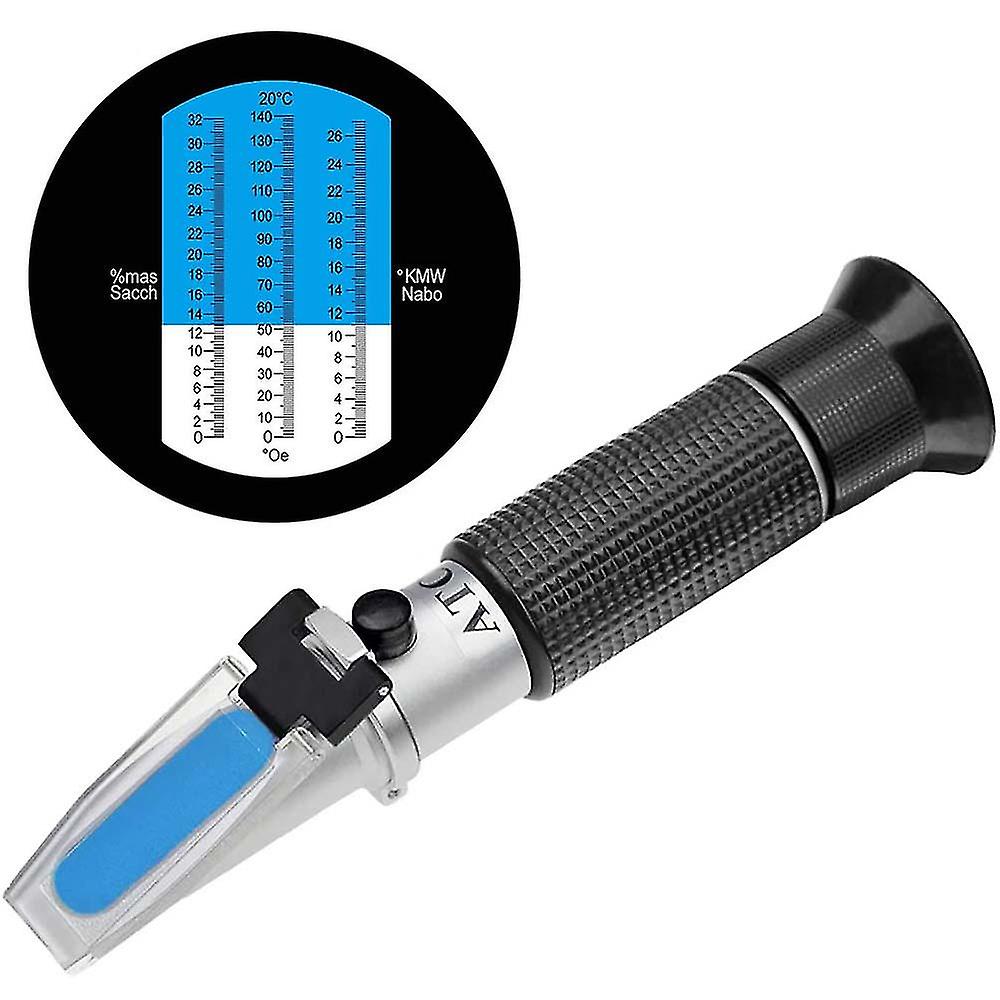
While preparing the sample for the total protein measurement using the refractometer, I disturbed the separation between the plasma and red blood cells. I therefore had to centrifuge another sample and repeat the process.
At the time, this felt like a significant mistake because the team was working quickly and the results mattered. However, repeating the test was better than producing a result that might have been unreliable.
It reminded me that working efficiently does not mean rushing every individual action. In an emergency, accuracy remains part of the urgency.
What causes a male cat to become blocked?
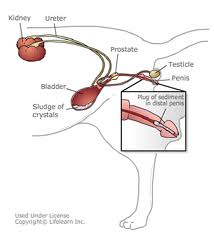
Male cats are particularly vulnerable because their urethra, the tube carrying urine from the bladder out of the body, is longer and narrower than that of a female cat.
However, a blockage is not always caused simply by a collection of crystals.
Most feline urethral obstructions involve a urethral plug. This can contain protein-rich material, mucus, inflammatory cells, blood and sometimes crystals. Small bladder stones may also become lodged in the urethra, while inflammation, pain and urethral muscle spasm can narrow the passage further. Feline idiopathic cystitis, an inflammatory condition influenced by several factors including stress, is a common underlying problem in cats showing lower urinary tract signs.
Struvite, or magnesium ammonium phosphate, is a common crystalline component of urethral plugs. Struvite and calcium oxalate are also the two most common types of urinary stone found in cats. It is important not to claim that either was responsible for this particular case unless this was confirmed through urinalysis or stone analysis.
When urine cannot leave the bladder, it begins to accumulate. The bladder becomes enlarged and painful, while metabolic waste products and potassium build up in the blood. Without treatment, this can lead to dehydration, kidney injury, abnormal heart rhythms, collapse and death. The bladder or urinary tract can sometimes rupture, but saying that the bladder “explodes” would not be medically accurate, and rupture is not the usual reason that an obstructed cat dies.
Relieving the obstruction
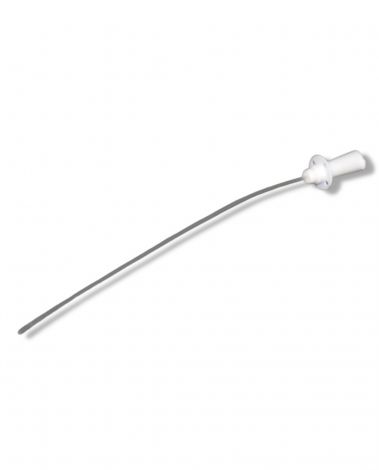
Under general anaesthesia, a urinary catheter can be carefully passed through the urethra. Sterile fluid may be used to flush or move the obstructing material back towards the bladder, allowing urine to drain.
General anaesthesia and appropriate pain relief are important because catheterisation can otherwise cause pain, urethral spasm, tearing or subsequent scarring. Depending on the case, a catheter may then remain in place temporarily while the cat receives fluids, monitoring and further treatment.
The procedure was successful. The cat received the medication, fluid therapy and monitoring selected by the veterinary team, and I was pleased to hear that he was recovering and doing well.
Can urinary obstruction be prevented?
Not every obstruction can be prevented, and the most appropriate plan depends on what caused the individual cat’s urinary disease.
Increasing water intake can help produce a greater volume of more dilute urine. Practical options may include feeding an appropriate wet diet, adding water to food where advised, providing several water stations and experimenting with bowls or fountains to discover how the cat prefers to drink. Water should be readily available throughout the year, with particular attention during hot weather.
Dry food is not automatically harmful, and protein content is not the main consideration. What matters is the cat’s complete diet, water intake, urine characteristics and underlying diagnosis. Some cats may require a therapeutic urinary diet prescribed by their vet rather than simply changing from dry food to an ordinary wet food.
Maintaining a healthy body condition, providing clean and accessible litter trays, reducing conflict between cats and giving them opportunities to play, hide, climb and rest can also be important, particularly where stress-related feline idiopathic cystitis is involved.
Most importantly, owners should contact a veterinary practice immediately when a male cat is repeatedly straining but producing little or no urine. It should not be left to see whether the problem resolves by itself.
What I learned
This experience showed me that emergency veterinary work is not simply about doing everything as quickly as possible.
It involves identifying the greatest immediate risk, preparing efficiently, communicating clearly and continuing to check the quality of your work while the situation develops.
Repeating the blood test initially felt like I was slowing the process down. Looking back, correcting it was part of doing the job properly. A fast but unreliable result would not have helped the cat or the veterinary team.
I also saw how every member of the practice contributes during an emergency. Preparing equipment, processing samples and anticipating what might be needed next allowed the vet and nursing team to focus on relieving the obstruction.
Most importantly, I saw how quickly apparently simple signs such as straining in a litter tray can develop into a genuine threat to an animal’s life, and how coordinated veterinary treatment can give that animal the opportunity to recover.
Leave a Reply