
I did this lambing placement because I wanted something I could not get from a classroom, a podcast, or a tidy case study.
If I’m serious about veterinary medicine, I need to understand not just individual animals, but the systems around them. I need to see what good care looks like when there are hundreds, or in this case thousands, of moving parts. I also wanted to find out how much of farm work is medicine, how much is stockmanship, and how much is simply doing the basics properly, every single time.
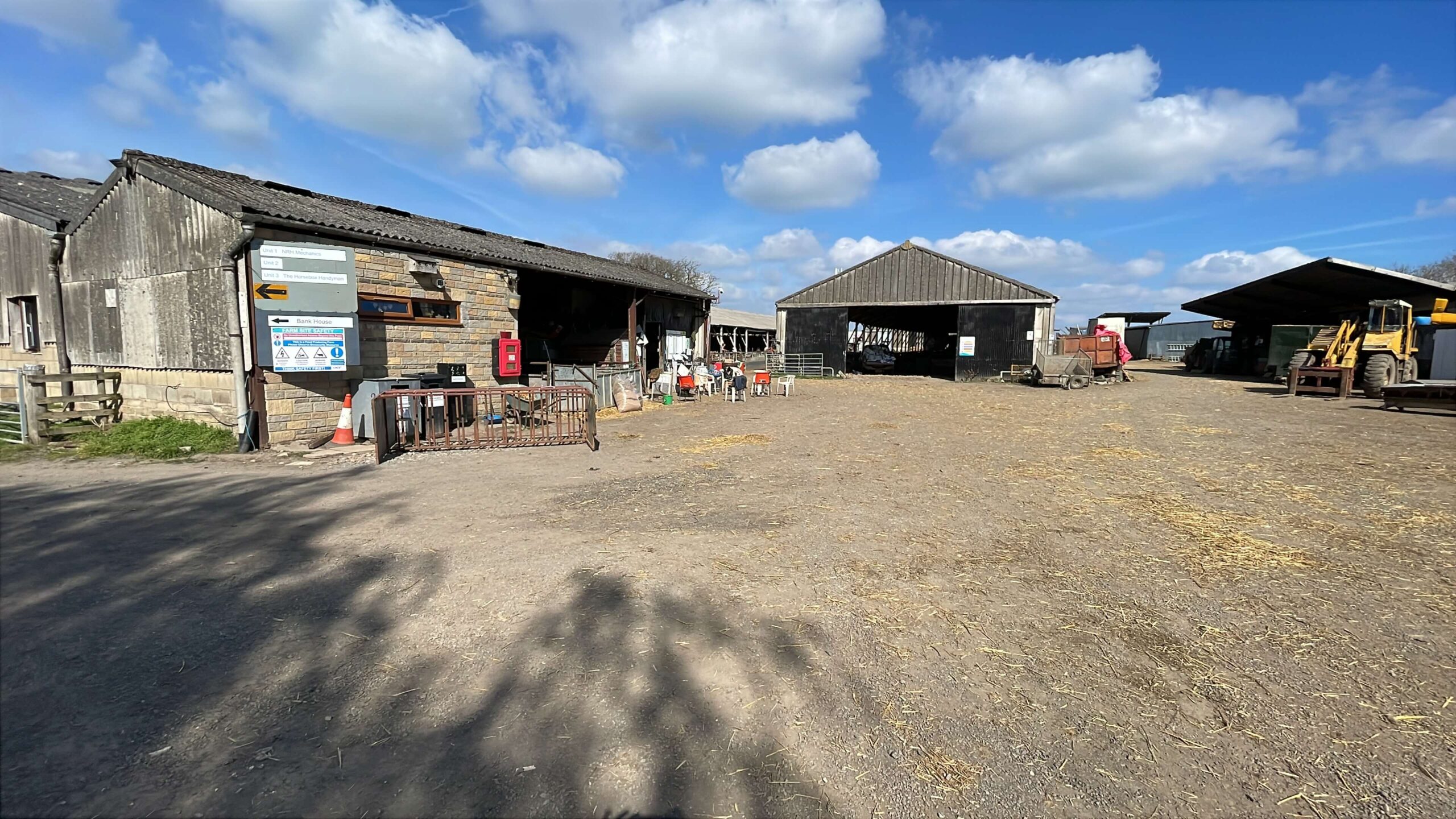
This placement was on a mixed farm with arable, pigs, cattle, and sheep. The sheep enterprise was the part I spent time around: roughly 2,500 sheep in total, with around 1,000 ewe lambs and 1,500 ewes. That scale changed how I saw everything.
Before I went, I think part of me still imagined lambing as a series of dramatic moments. Difficult births. Heroic saves. High-stakes interventions. Those moments exist, but what struck me more was how much good lambing depends on systems that look almost boring from the outside.
Clean pens. Dry bedding. No leaks in the water. No leftover bale string. Moving animals calmly. Watching closely. Feeding on time. Spotting small problems before they become expensive or fatal ones.
That was probably my biggest takeaway. At scale, prevention is not the background work. It is the work.
The basic set-up on this farm was straightforward. Ewes were kept in group pens, then moved into single pens after lambing, then turned out after a short period once the ewe-lamb bond looked settled and everyone was feeding and coping. The single pens mattered more than I expected. They were not just somewhere to park animals. They were a controlled window for checking milk, checking navels, checking whether lambs were actually getting colostrum, and reducing the chance of mismothering in the immediate aftermath of birth.
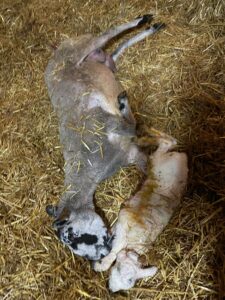
I also came away with a much stronger sense of how time-sensitive the first few hours are for a newborn lamb. Colostrum is not a nice extra. It is the difference between a stronger start and a much riskier one. If a lamb is weak and cannot suck properly, bottle feeding or tubing becomes part of that reality. It is practical, not sentimental.
That linked to something else I kept hearing and seeing: on a farm this size, the goal is not to wait until animals are obviously sick and then perform miracles. It is to build conditions where fewer animals tip into trouble in the first place. Watery mouth, for example, is a serious infectious disease of newborn lambs and seems closely tied to poor early colostrum intake and environmental contamination. Joint ill is another reminder that hygiene, navels, and early care matter because infection in very young lambs can spread fast and leave them painful, lame, or dead.
That does not make the work emotionally easier. In some ways it makes it harder. You quickly realise that even with good husbandry, not everything is saveable. On large farms, a certain level of lamb loss is often treated as part of the reality of the system. That sounds brutal when written down, but spending time there helped me understand why prevention matters so much. By the time a lamb is visibly in trouble, you are often already late.
Another thing I learned was how physical and behavioural good stockmanship is.
There were small practical details that made a big difference. Approach around the edge of the pen rather than charging in head-on. Come in behind the ewe where possible, not straight at her face. Move slowly. Do not turn the whole pen into a stress event because you are in a rush. If there are other lambs underfoot, clock them before you enter so you do not create another problem while trying to solve the first one.
I also learned how easy it is for inexperience to create unnecessary stress. Chase a ewe badly and you do not just make your own life harder. You make the whole environment more frantic. The best people I watched were calm in a way that looked almost casual, but clearly was not. They were economical. No wasted movement. No panicked grabbing. No drama.
That was useful for me personally because it showed me the gap between “knowing what should happen” and being competent with your hands in a real setting. They are not the same thing.
I spent time bottle feeding, helping with routine checks, moving ewes and lambs, mucking out, bedding pens, and generally seeing how many small jobs sit behind each successful lamb that makes it out into the field. Even details that sound mundane, like straw use or checking for leaks in drinkers, start to look different when multiplied across a large flock. Costs matter. Labour matters. Timing matters. Cleanliness matters.
I also found the breeding side interesting. Sheep are seasonal breeders, so mating tends to happen in the autumn for spring lambing. On this farm, November mating was part of the rhythm people talked about, along with shorter days bringing sheep into season. The broad numbers and timings helped make the whole system feel less random. It is not just “lambing season”. It is a chain of decisions that starts months earlier.
I also picked up some useful language. A hogget is a sheep between one and two years old. Ageing sheep by their teeth is still one of those practical farm skills that tells you a lot quickly. These are simple examples, but they matter because they shape everyday decisions about breeding, management, and sale.
More broadly, this placement reminded me that farm animal welfare is never just about intentions. It is about execution under pressure. It is about whether recommendations actually work on a real farm, with real labour constraints, real weather, real economics, and real animals that do not behave like diagrams in a textbook.
That matters for veterinary medicine too. There is no value in giving theoretically perfect advice that falls apart at the point of use. One of the most useful things the veterinary profession can do is stay grounded in scale, practicality, training, and farmer reality. Not by lowering standards, but by understanding what it takes to meet them.
There was also a wider farm context sitting behind all of this. Farming is already exposed to weather, disease, volatile input costs, and tight margins. Even simple inputs matter more than I had appreciated before. Hay, straw, concentrates, labour, space, and time all shape what is possible. So do regulations, medicine withdrawal periods, and the constant need to balance welfare with cost and practicality.
That did not make me more cynical. It made me more realistic.
A note on farm-specific practice
Some of the practical instructions I wrote down during placement were specific to this farm and the way its staff worked. That includes parts of lamb handling, when to intervene, how animals were moved, and how certain checks were done. I’m not presenting those as universal instructions for every flock. They were useful to observe because they showed me how experienced people apply judgement in context, but I’m conscious that practice varies between farms, systems, and veterinary advice.
Unknowns, uncertainties, and what I want to learn next time
This placement gave me exposure, but it also made my gaps more obvious.
I still want a better grasp of:
- when to intervene in lambing and when to leave a ewe alone
- how different farms vary their penning, feeding, vaccination, and turnout systems
- the trade-offs behind breed choice, especially around feet, hardiness, growth, and maternal traits
- how farmers make treatment decisions while balancing welfare, withdrawal periods, cost, and labour
- what “good enough at scale” really looks like, and where that starts to drift into preventable compromise
I would also like more confidence with the practical side of handling. Not just knowing the theory, but becoming smoother, calmer, and more useful.
Important mistakes I made or nearly made
A few small things now feel much bigger in hindsight:
- Noticing too late how much avoidable stress comes from poor movement around a pen.
- Underestimating how quickly a loose bit of string, a damp patch, or a leaking drinker becomes a welfare issue.
- Focusing too narrowly on the ewe I was dealing with instead of scanning the pen first for other lambs that might get knocked, trapped, or trodden on.
- Seeing how easy it is to confuse activity with competence. Moving quickly is not the same as being helpful.
That is one reason I am glad I did the placement. It is better to find those limits now.
What I’m taking forward
I came away with a stronger respect for sheep farming, but also with a more realistic picture of what competence looks like.
It is less glamorous than people think. It is more repetitive, more physical, and more system-dependent. It also asks for a kind of judgement that is hard to fake. The people who are good at it do not just know facts. They notice things early. They stay calm. They work cleanly. They understand when a problem is still small enough to prevent.
That is probably the clearest reason I chose to do it.
I wanted experience that would test whether this path still made sense when it stopped being abstract. It did.
Not because the work was easy, but because it made the work feel more real.
Leave a Reply