
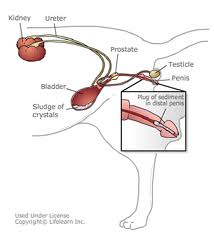
Some details have been kept general to protect the confidentiality of the patient and owner. A male cat was booked in as an emergency after he had been repeatedly straining to urinate for several days. The vet examining him, who was also the practice owner, identified a suspected urethral obstruction. Repeated visits to the litter tray, straining, vocalising and producing very little or no urine are important warning signs. They can sometimes be mistaken for constipation, but a complete urinary obstruction can become life-threatening within a short period. This was my first experience of witnessing and helping during a blocked-cat...
Blog
Observing Surgery at Solihull Vets4Pets: Rabbits, Airways and Behind Surgery
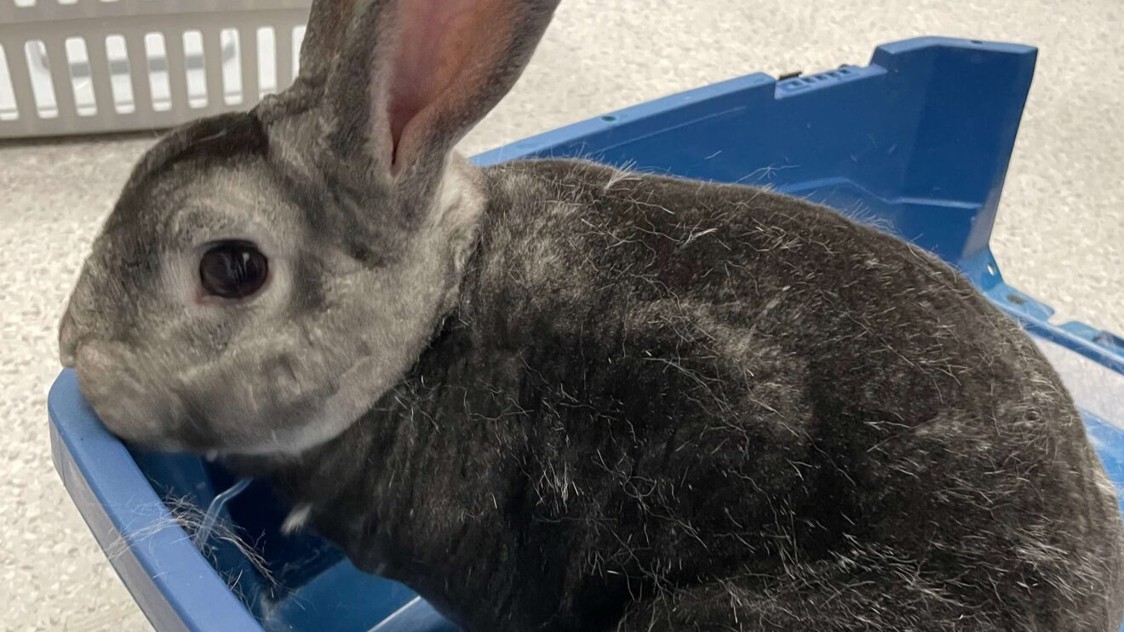
A key part of my route into veterinary medicine is getting as much breadth of experience as I can. Not just different species, but different settings, teams and ways of working. Every practice has its own rhythm: how people communicate, how they prepare, how they manage risk, and how they look after animals before, during and after procedures. Recently, I spent one of my days off from my Animal Care Assistant role at Redditch Vets4Pets observing surgery at Solihull Vets4Pets. I had contacted Josh, one of the co-owners, to ask whether I could come in and observe their surgical list....
First month at Vets4Pets Redditch: learning to work in interruptions
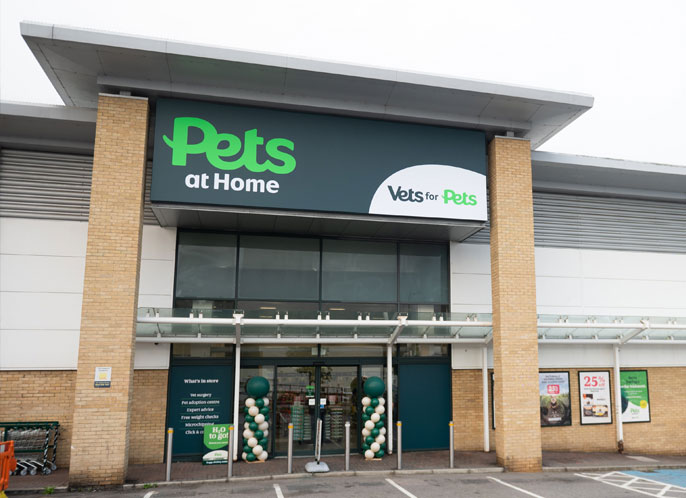
Settling into the rhythm My first month at Vets4Pets Redditch has taught me that working in veterinary practice is not just about learning clinical information. It is also about learning pace, rhythm, focus, and how to stay steady when lots of things are happening at once. I expected the medicine to be the steepest learning curve. In some ways it has been, but what has stood out just as much is how many different skills sit underneath good day-to-day practice. Communication. Prioritising. Multitasking. Cleaning. Staying calm. Picking things up quickly. Knowing when to ask. Knowing when to slow down. A...
Inside lambing season: what I learned on placement
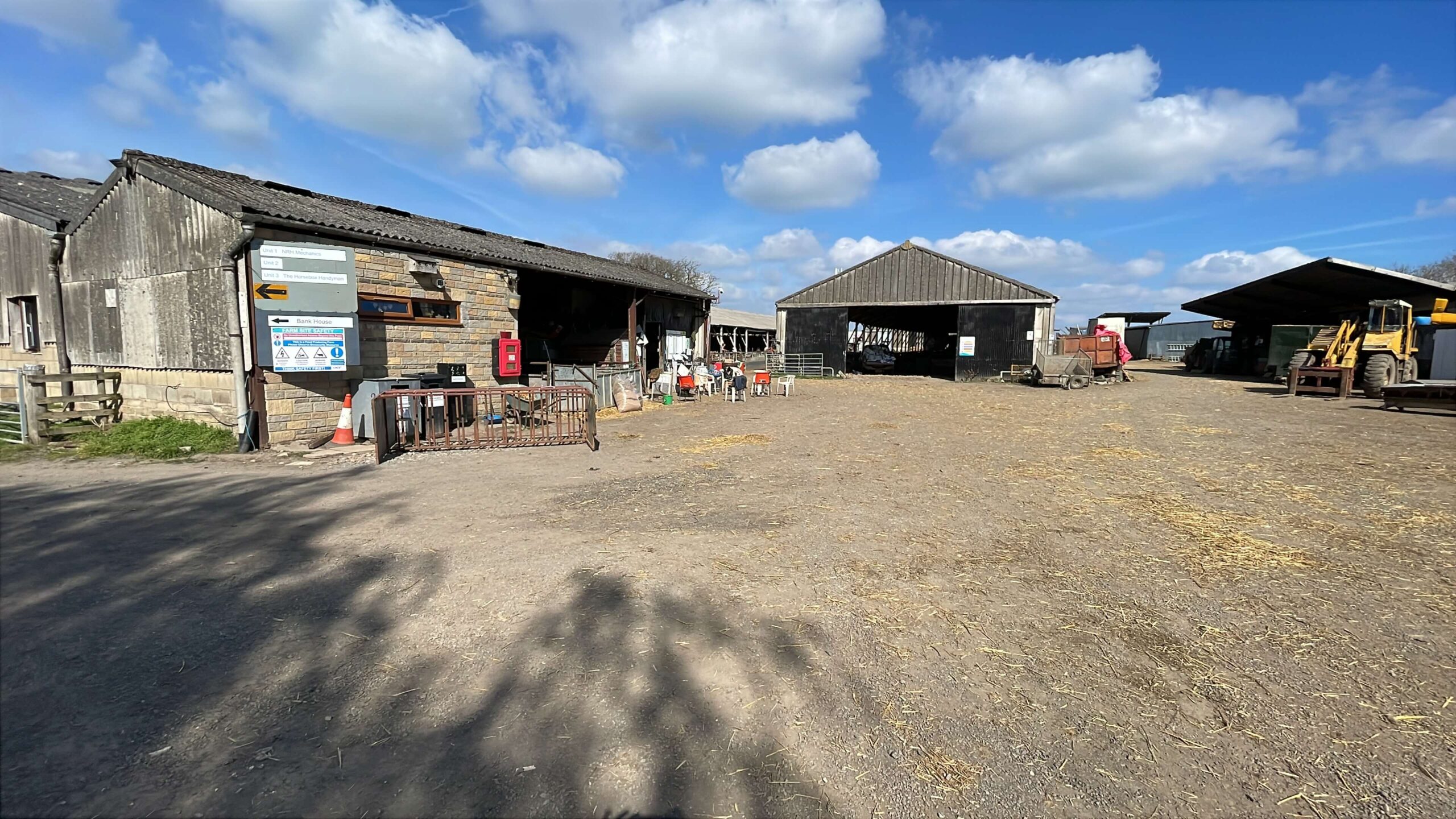
I did this lambing placement because I wanted something I could not get from a classroom, a podcast, or a tidy case study. If I’m serious about veterinary medicine, I need to understand not just individual animals, but the systems around them. I need to see what good care looks like when there are hundreds, or in this case thousands, of moving parts. I also wanted to find out how much of farm work is medicine, how much is stockmanship, and how much is simply doing the basics properly, every single time. This placement was on a mixed farm with...